How to Create a Mini Woodland in a Small Garden: A Beginner's Guide
A patch of back garden can behave like woodland. A mini woodland works on the same principle as a real one: layers of plants at different heights, planted closely enough to shade the ground, built mostly from native trees and shrubs. Get that structure right and a plot only four or five metres across will feel properly wooded — quiet, damp underfoot, busy with birds. The planting itself is simple, and most of the work happens across a single winter.
What a Mini Woodland Actually Is
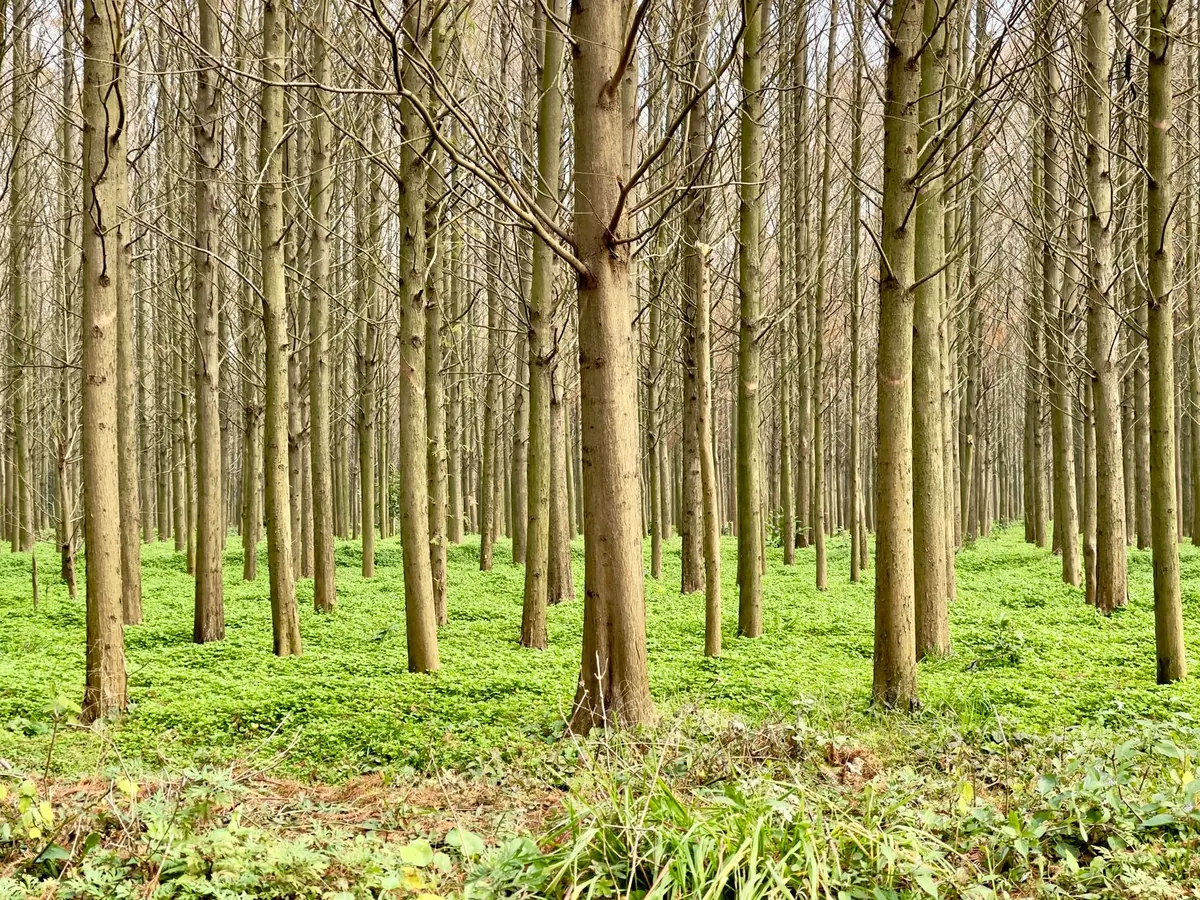
Woodland is defined by structure rather than size. There is a canopy of taller trees, a middle storey of shrubs, a ground layer of flowers and bulbs, and a litter layer of fallen leaves and decaying wood. All four fit into a small garden.
On a patch five metres square you might plant one small tree, half a dozen shrubs around it and a few dozen bulbs. That is enough. Aim for dappled shade — around half the ground shaded at midsummer — rather than a solid roof of leaves. Heavy shade kills the ground layer, and a bare, dark patch under trees soon looks like nothing at all.
What separates this from an ordinary shrub border is density and repetition. A border is arranged so that every plant can be seen; a wood is arranged so that plants crowd each other, touch, and knit into a single mass. Plant three of the same shrub a metre apart rather than three different ones scattered about, and let the ground layer run between them in drifts instead of dots. It will look less tidy and far more convincing.
Read Your Site Before You Buy Anything
Spend an hour looking before you spend money. Note where the sun falls at midday and again in late afternoon, and which parts of the garden sit in shadow at midsummer and midwinter. Woodland plants cope with shade, but most still want light in spring, before the leaves open above them.
Check the soil as well. Squeeze a handful of moist soil in your fist: if it holds a ball that crumbles when poked, it is loam; if it feels slick and shiny, you have clay; if it falls apart and feels gritty, it is sandy. Clay holds water and nutrients but drains slowly, sand drains fast and dries out. Either can grow woodland — the species list just shifts.
Then look at what is already there. Planting under a mature conifer hedge or a dense old tree is hard work: the roots take the water and the canopy takes the light. If you are planting anything tall near a building, a boundary or drains, take advice from a qualified arborist first, and mention it to neighbours if branches will eventually overhang. The weeds tell you plenty too — nettles and cow parsley mean rich, damp ground, while sorrel and moss suggest something thinner and drier.
The Layers, and What Goes in Them
Think of the planting as four layers stacked on top of each other. The canopy casts the shade, the understorey fills the middle and shelters birds, the ground layer covers the soil and holds moisture, and the litter layer feeds everything above it.
- Canopy: one small tree, or a hazel grown multi-stemmed and cut back every few years.
- Understorey: hawthorn, blackthorn, dogwood, guelder rose, spindle, wild privet — the dense middle that gives the whole thing its bulk.
- Ground layer: wood anemone, native bluebell, primrose, red campion, foxglove, wood sedge, wild strawberry.
- Litter and deadwood: fallen leaves left where they land, plus a small log pile or a couple of rotting stumps tucked out of sight.
Climbers such as honeysuckle or ivy knit the layers together, scrambling through the shrubs and softening the edges. If you have room for only two layers, choose the understorey and the ground layer. A thicket with flowers beneath it reads as woodland far more convincingly than a single tree standing over bare earth.
Choosing Trees and Shrubs for a Small Plot
Buy native stock grown in the UK, and buy bare-root whips if you can: they are usually cheaper than container-grown plants, establish faster and need less watering in their first summer. Never lift plants from the wild — it is illegal for most species, and they rarely survive the move.
For the canopy, field maple and rowan are good choices: compact, tolerant of most soils and generous with autumn colour. Silver birch suits lighter, sandier ground, and crab apple earns its space with spring blossom and fruit for birds.
Avoid the thugs. Sycamore, ash, willow and poplar are all magnificent trees that have no business in a plot this size — fast growth, greedy roots, and in the case of sycamore, a torrent of seedlings every spring.
Understorey that earns its place
Hawthorn and blackthorn make the thickest, most bird-friendly thickets, though both sucker and will need the occasional chop. Dogwood brings red stems in winter, guelder rose gives white flowers and translucent berries, and holly provides evergreen cover. If your space is really tight, plant fewer species but more of each — a group of three hawthorns a metre apart will thicket up faster, and look more like a wood, than six different shrubs dotted around singly.
Planting Day: Doing It Properly Once
Bare-root trees and shrubs go in between November and March, while they are dormant and the ground is neither frozen nor sodden. An hour of care on planting day saves a season of watering later. Work through it in this order:
- Clear a metre-wide circle of grass and weeds around each planting spot — grass is the fiercest competitor a young tree has.
- Dig a square hole, wider than the roots spread but no deeper than the plant was growing before. Square holes discourage roots from circling.
- Spread the roots out, check that the old soil mark on the stem sits level with the surface, then backfill in layers.
- Firm gently with your heel, water well, and mulch with bark or your own leafmould, keeping it clear of the stem.
- Fit a rabbit guard, and stake only if the site is windy or the tree is tall.
Space whips roughly 45 to 60 centimetres apart if you want a thicket, and shrubs about a metre to a metre and a half apart. It will look thin and gappy at first. Resist the urge to fill the gaps with something fast-growing; the shrubs will close over within three or four summers and anything else will simply be in the way.
Looking After a Mini Woodland
Once established, a mini woodland asks very little. Water young plants through their first two summers if the weather is dry, and keep the grass off them. After that:
- Leave fallen leaves where they land. They are mulch, habitat and food in one.
- Keep a log pile. Rotting wood is where beetles, fungi and hibernating creatures live.
- Cut hazel and dogwood back hard every few years on a rotation, so you always have stems of different ages.
- Don't tidy in autumn. Seed heads and hollow stems are winter shelter, and the birds will work through them.
- Thin crowded shrubs after five or ten years, taking out the weakest rather than the biggest.
Bulbs naturalise on their own if the ground is left undisturbed — snowdrops, bluebells and wood anemone creep slowly outwards into the leaf litter, and after a decade a few dozen will have become a carpet.
Leave the leaves where they fall. On a woodland floor they are mulch, larder and nursery all at once — and they are free.
A mini woodland is one of the few garden projects that improves by being left alone. Plant it in winter, water it for two summers, then mostly step back and let it close over. Within a few years the light will come through in patches, the ground will stay damp underfoot, and the birds will have somewhere to go.
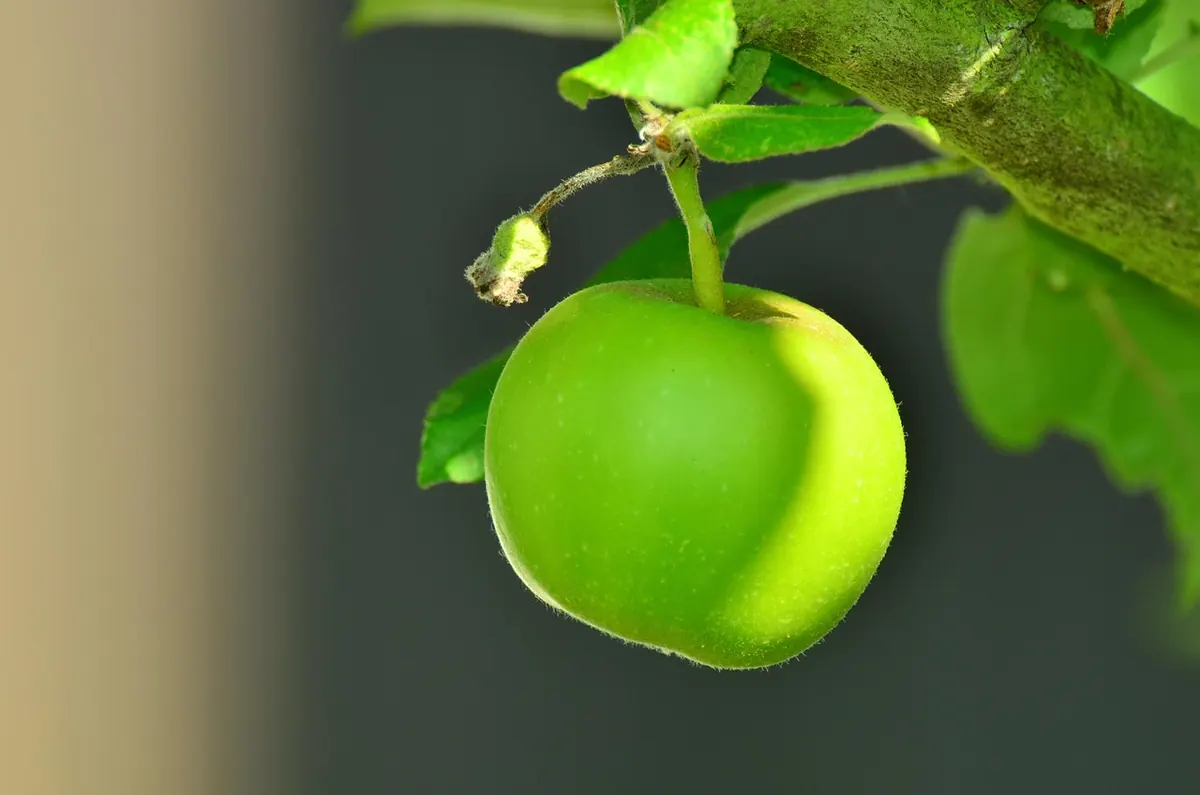
Photo: congerdesign / Pixabay