Forest Walk Checklist: What to Pack for a Safe Day in UK Woodlands
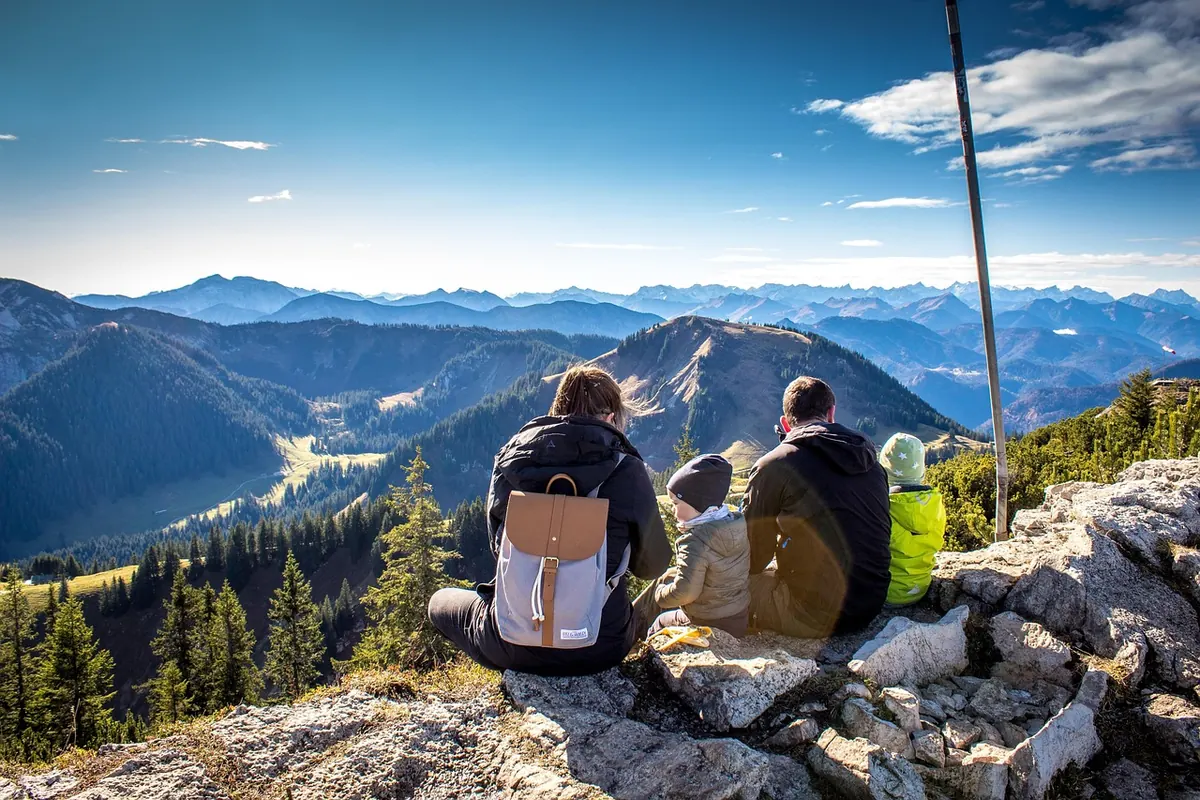
Most woodland walks in the UK pass without incident. You park, you walk a loop, you get slightly muddy, you go home for tea. The days that go wrong usually do so for unglamorous reasons: a spare layer left in the car, a phone that died at the wrong moment, a dog off the lead beside a field of ewes.
What follows is the checklist worth running through before a proper forest day — clothing, navigation, first aid and the leave-no-trace habits that keep woods worth walking in.
Before you leave the house
Five minutes now saves an hour of faffing later. Check the forecast, but check sunset too: under a dense canopy in November, the light goes long before the sky does. Note where you're parking and whether the car park has a closing time, because plenty of Forestry England and National Trust sites do.
Tell someone where you're going and roughly when you'll be back. A text is enough — "Bedgesbury Forest, blue trail, back by five." If the plan changes, send another one.
- Weather and daylight checked.
- Route saved offline, not just bookmarked.
- Phone charged, plus a battery pack if you rely on it for maps.
- Someone at home knows the plan.
Clothing and footwear
Woods are cooler and damper than the forecast suggests. Trees hold moisture after rain, block the breeze on a warm day and drop the temperature the moment you step into shade. Layers you can add and remove beat one thick coat every time.
Avoid jeans. Cotton soaks up water, dries slowly and chafes. Walking trousers or quick-drying leggings are far kinder. Long trousers are worth it even in July: nettles, brambles and ticks all prefer bare skin, and pale colours make ticks easier to spot.
Footwear depends on the wood. Well-drained pine forest on sandy soil is fine in trail shoes. Clay paths in an old oak wood after a wet week want boots with real tread — and a spare pair of socks in the car is never wasted.
- Waterproof jacket that folds small
- Fleece or midlayer
- Hat and thin gloves in the shoulder months
- Spare socks, and spare gloves in winter
Navigation: assume your phone will sulk
Signal in British woodland is patchy at best and absent in valleys. A wet screen is awkward to use and cold weather drains batteries quickly. Carry a paper map — an OS Explorer covers most day walks well — and know how to match it to the ground beneath you.
If map reading is new, start on waymarked trails and pay attention at junctions. "I'll remember the turning" is a sentence people say shortly before walking two miles in the wrong direction.
Know what you're walking on, too. Public footpaths, bridleways and permissive paths cross private land, and the rules differ: some allow dogs, some don't; some close seasonally. Leave gates as you find them, and use stiles rather than climbing fences.
First aid and the pocket essentials
You don't need an expedition kit for a four-mile loop, but a small pouch at the bottom of your bag should cover grazes, blisters and bites.
- Plasters and blister plasters
- Antiseptic wipes and a small dressing
- Tick removal tool or fine-tipped tweezers
- Any personal medication, inhaler or adrenaline pen if prescribed
- Painkillers you already know suit you
- Whistle and a foil blanket
- Small torch or headtorch
Check yourself and any children for ticks after the walk, particularly around the hairline, waistband and behind the knees. Remove any you find carefully, then follow NHS guidance on what to watch for. If you feel unwell in the days or weeks after a bite, speak to a pharmacist, your GP or NHS 111 rather than guessing.
Food, water and the stop that makes the day
Take more water than feels necessary. A litre each for a half-day is a sensible baseline, more in summer or on hilly ground. In winter a flask does more for morale than any piece of kit. Don't drink from streams and rivers, however clear they look.
Snacks that survive a rucksack work best: nuts, oatcakes, fruit, a sandwich that isn't already soggy. Build in an actual stop — a bench, a fallen log, a clearing with a view. It turns a walk into a day out.
Leave no trace in a British wood
Woodland is fragile in ways that aren't always obvious. The bluebells you're admiring took years to establish; the deadwood you'd like for a fire is home to beetles, fungi and larvae.
- Stay on the path where one exists — shortcutting causes erosion that lasts decades.
- Leave flowers, fungi and fallen wood where they are.
- Take everything home, including fruit peel and apple cores.
- Keep dogs on a lead around livestock and, between March and July, near ground-nesting birds. Bag the poo and carry it out; hanging bags on branches helps nobody.
- Skip the fire. Many woods ban them outright, and a stove is usually the better option where they're allowed.
- Keep noise down, especially early and late, and give wildlife room.
The two-minute check before you lock the car
Layers on your body, map in your pocket, water in the bag, first aid pouch at the bottom, a torch that works, and someone who knows where you are. That's the whole list. Everything else is preference.
If you do only one thing, do the daylight check. Turning back twenty minutes early is a small disappointment; fumbling along a root-covered path in the dark is a long evening.
Photo: stux / Pixabay