Beginner's Guide to Woodland Birdwatching in Spring: 10 Songs to Learn
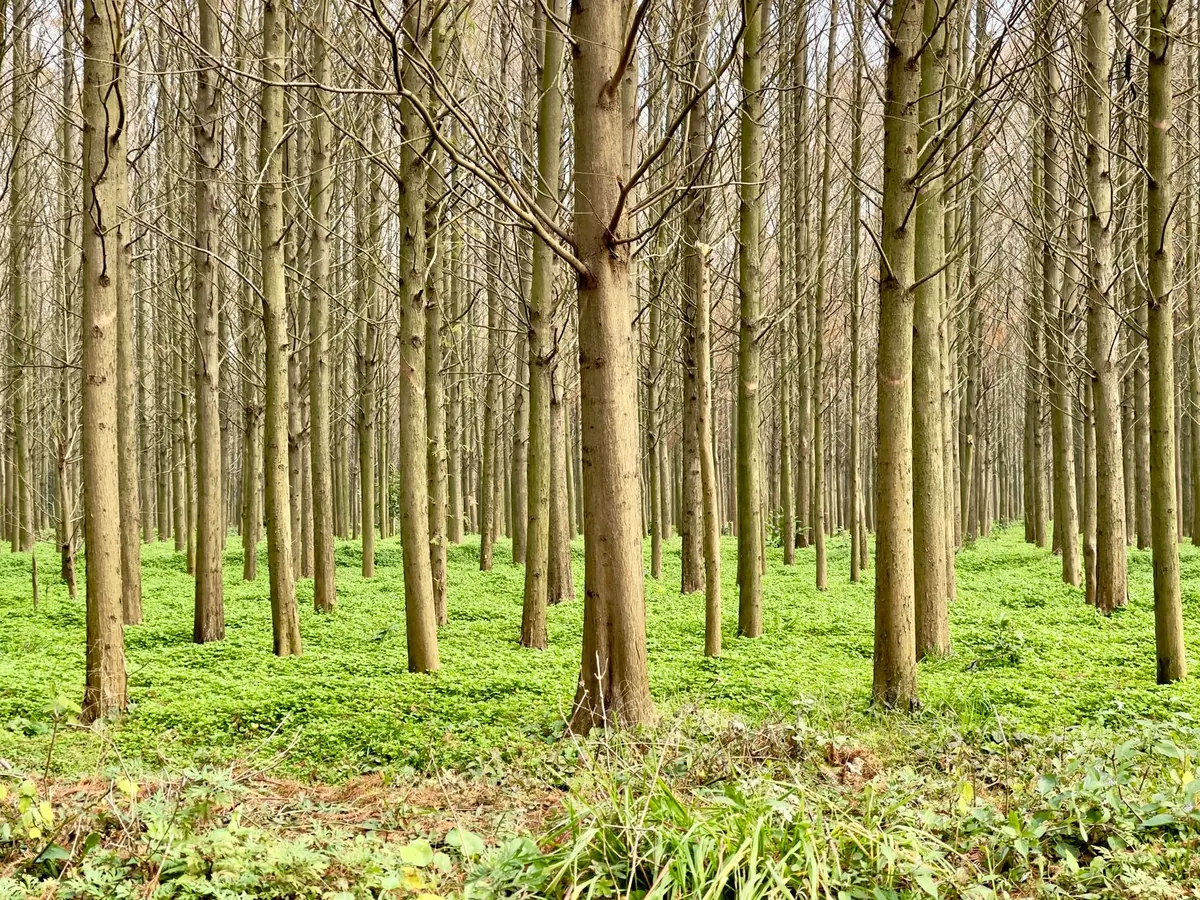
There is a particular half hour in late April when a British wood stops being quiet and starts being loud. A blackbird begins from the top of a bare ash, fluting three or four unhurried notes, then pauses as though waiting to be answered. Somewhere on the far side of the ride a song thrush starts repeating itself. Then the robins, the wrens and the tits come in all at once, and for twenty minutes the wood is a room full of people talking over each other. Then, almost as suddenly as it began, the chorus thins, the birds drop down to feed, and by mid-morning the wood has gone quiet again.
That half hour is the best free entertainment in Britain, and it does not require expensive equipment, a car, or any real expertise. It requires only that you learn to listen. This guide is written for someone who has never deliberately identified a bird by its song before — someone who can hear that the wood is noisy but cannot yet tell who is making the noise.
Start with ten songs. Ten is enough to unlock most of what you will hear in a British wood between March and May, and it will teach you the three or four listening habits that make everything afterwards much easier.
Why Spring Sounds So Different
Birds do not sing in spring because they are happy. They sing because their hormones have risen with the lengthening days and they now have two jobs that cost them nothing but breath: holding a territory and attracting a mate. The males of most woodland species do nearly all the singing. A great tit that sang all winter would be wasting energy; a great tit that sings in March is defending a patch of oak woods that will decide whether it breeds at all.
Three things make spring the season for learners. First, the resident species start singing in earnest in February and March, before the trees leaf. Second, the summer migrants — chiffchaffs, willow warblers, blackcaps — arrive through March and April and add their voices to the mix. Third, and most usefully, bare branches mean you can often see what you are hearing. A song that would be invisible in June hangs in plain view at the top of a larch in early April.
You do not need to name the bird in order to enjoy the song. Identification is a pleasure, not a ticket for entry.
What to Take on Your First Morning
- Binoculars — 8x42 is the classic choice: bright enough for a dim wood, wide enough to find a moving bird. Anything is better than nothing, including a cheap pair borrowed for the morning.
- A notebook and pencil — not for lists of species, but for descriptions. Write what a song sounds like before you look it up. Your own mnemonic will stick better than anyone else's.
- Warm, quiet layers — dawn in April is cold, and a rustling waterproof will hide more birds than it hides rain.
- A phone in flight mode — useful for recording a song you cannot place; less useful if it rings while you are standing still.
- Patience — the single most valuable piece of kit. Twenty minutes of standing in one spot will out-perform an hour of walking.
Four Skills to Practise Before You Learn Any Song
- Stop moving. Birds flee movement, not presence. If you stand still under a tree for ten minutes, the wood largely forgets you are there.
- Locate the singer with your ears, not your eyes. Close your eyes and point at the sound. Then open them and look at where you pointed. This feels ridiculous the first time and works remarkably well by the third.
- Describe before you name. Is the song high or low? Fast or slow? Does it repeat phrases, or ramble on? Does it pause? Learning to describe means you will never be completely stuck, even with an unfamiliar bird.
- Learn one bird at a time. Pick a species, listen to recordings of it during the week, then go out and find it in real life. Ten birds learned properly will beat a hundred half-learned.
The Ten Songs to Learn First
These ten cover the great majority of what you will hear in a British wood in spring. Learn them in roughly this order — the first three are common, loud and easy, and they form the background against which everything else stands out.
1. Blackbird
Rich, low, fluting and unhurried. The phrases seem to roll out and then stop, as if the bird has all the time in the world. It sings from a high, exposed perch, and it is usually the first voice you notice in a dawn chorus. Learn its alarm call too: a loud, agitated chook-chook-chook that tells you a cat, a fox or you are approaching.
2. Song Thrush
The easiest song in Britain to identify, because the bird repeats each phrase two to four times before moving on: cherry-cheery, cherry-cheery … did-he-do-it, did-he-do-it. Loud, clear, ringing, and often delivered from a high perch inside a tree rather than on top of it. If a song sounds like someone practising the same line over and over, it is a song thrush.
3. Robin
Thin, wistful, tinkling and rambling, with a liquid, slightly melancholy quality. Robins sing almost all year, which is why they are the birds most people hear first and mistake for spring. They sing from low and mid-level perches, often close to the ground, and they sing at night in towns under street lights.
4. Wren
Astonishing. A wren weighs about as much as two pound coins and produces a burst of trills and rattles loud enough to be heard across a clearing. The song is fast, energetic and usually ends in a hard, dry trill. It often sings from low cover, sometimes from beneath your feet, which is exactly why beginners keep looking up in the wrong direction.
5. Great Tit
The classic two-note seesaw: teacher-teacher-teacher, one note high, one low, repeated with mechanical persistence. Great tits are usually the first of the tits to start in the morning, and their squeaky, pump-handle variant — like a bicycle pump being worked — is one of the most commonly misidentified sounds in the wood.
6. Blue Tit
Thin, high and delicate: tsee-tsee-tsee-tsu, often ending in a small, hurried trill. It is easy to lose against a loud dawn chorus, so it is worth learning early. Once you know the shape of it, you will hear blue tits everywhere.
7. Chiffchaff
It says its own name. Two notes, alternating, steady and slightly monotonous, like a metronome with a mind of its own: chiff-chaff, chiff-chaff, chiff-chaff. The rhythm is even and the pace is unhurried. Chiffchaffs arrive from March and are often the first summer migrant you hear.
8. Willow Warbler
The chiffchaff's gentler cousin. Instead of chanting two notes it pours out a soft, sweet, descending cascade of notes that thins and fades towards the end, like honey running off a spoon. If a song sounds wistful and slightly falling rather than repetitive, it is probably a willow warbler.
9. Chaffinch
A confident, accelerating song that ends in a flourish — chip-chip-chip-cheerio-cheerio — delivered from a high perch, often with a pause before the final phrase. It is one of the most common woodland songs in Britain and one of the most frequently overlooked, simply because it is so familiar.
10. Nuthatch
Loud, ringing and repeated: wheet-wheet-wheet, slower and more deliberate than a great tit and often given from the side of a trunk rather than a branch. Nuthatches also make a soft, conversational chwit while feeding. Once you can separate it from the tits, you will start finding the bird itself, head-down on the bark.
Confusions Worth Untangling Early
- Chiffchaff or willow warbler? The chiffchaff repeats two notes, evenly and repetitively. The willow warbler descends in a soft, sweet, falling phrase. Recordings resolve this in seconds, every time.
- Blackbird, song thrush or mistle thrush? The blackbird is low, fluty and unhurried; the song thrush repeats phrases; the mistle thrush — the "storm cock" — sings short, wild, melancholy phrases with no repetition, often from an exposed treetop, sometimes in wind and rain when nothing else will sing.
- Great tit, coal tit or nuthatch? The great tit's two notes are confident and slow-ish; the coal tit's version is higher, faster and thinner; the nuthatch's whistle is louder, more ringing and more evenly spaced.
Where to Stand, and When
The dawn chorus begins roughly thirty to sixty minutes before sunrise and peaks in the twenty minutes either side of it. On a calm, dry, still morning in late April or early May, a woodland ride — a wide grassy path through the trees — is the best place to stand, because the sound arrives from both sides and you can see birds on the edges without stepping off the path.
Wind, rain and hard frost suppress song. A windy morning is not wasted, but it is harder work, and beginners do better on still days. If dawn is impossible for you, there is a second, gentler window in May: a resurgence of song in the last hour or two of daylight, often just blackbirds, robins and song thrushes, and far less overwhelming.
A Four-Week Practice Plan
- Week one: learn blackbird, song thrush and robin. These three will be audible in almost any wood, park or large garden, so you can practise every day.
- Week two: add great tit, blue tit and wren. By now you should be able to describe a song in words before you identify it.
- Week three: add chiffchaff and willow warbler. Listen to both recordings back to back, then go and find each one singing.
- Week four: add chaffinch and nuthatch, and start listening for the order of the chorus — which birds start first, and which arrive as the light comes up.
Being a Good Guest in the Wood
Stay on paths, and resist the temptation to step into undergrowth or push towards a singing bird. Spring is when birds are at their most stressed and their most vulnerable, and a flushed female can mean a lost clutch.
Above all, do not use playback — recorded calls played from a phone to lure a bird closer — during the breeding season. A territory-holding male will treat the recording as a rival and spend energy he cannot spare defending a boundary that does not exist. Recordings are a wonderful learning tool at home; in the wood in April, leave them in your pocket.
None of this requires much. Take a pair of binoculars, a notebook, and forty quiet minutes in a wood before breakfast. Learn three songs well, then three more, and by the middle of May you will walk into the same wood you walked into in January and hear it as an entirely different place — full of named voices, each one with a territory, a rival and an urgent reason to be loud.
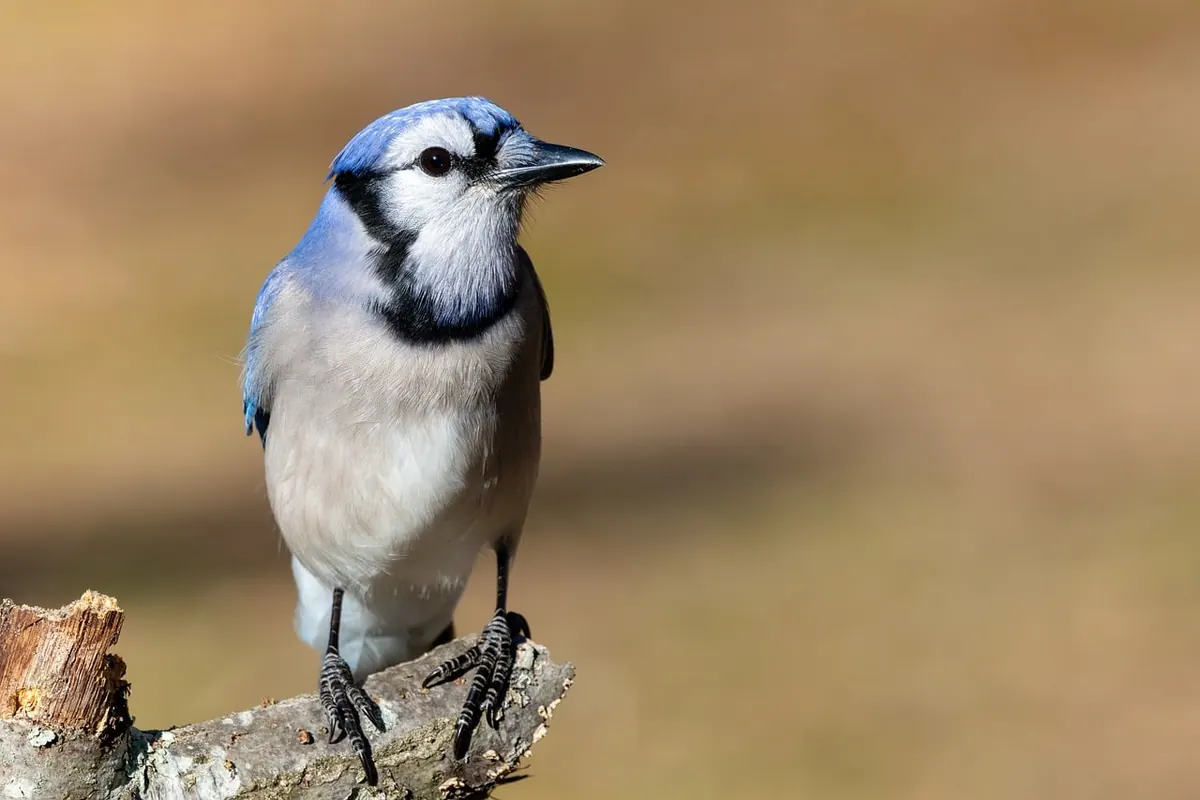
Photo: Trek_Jason / Pixabay